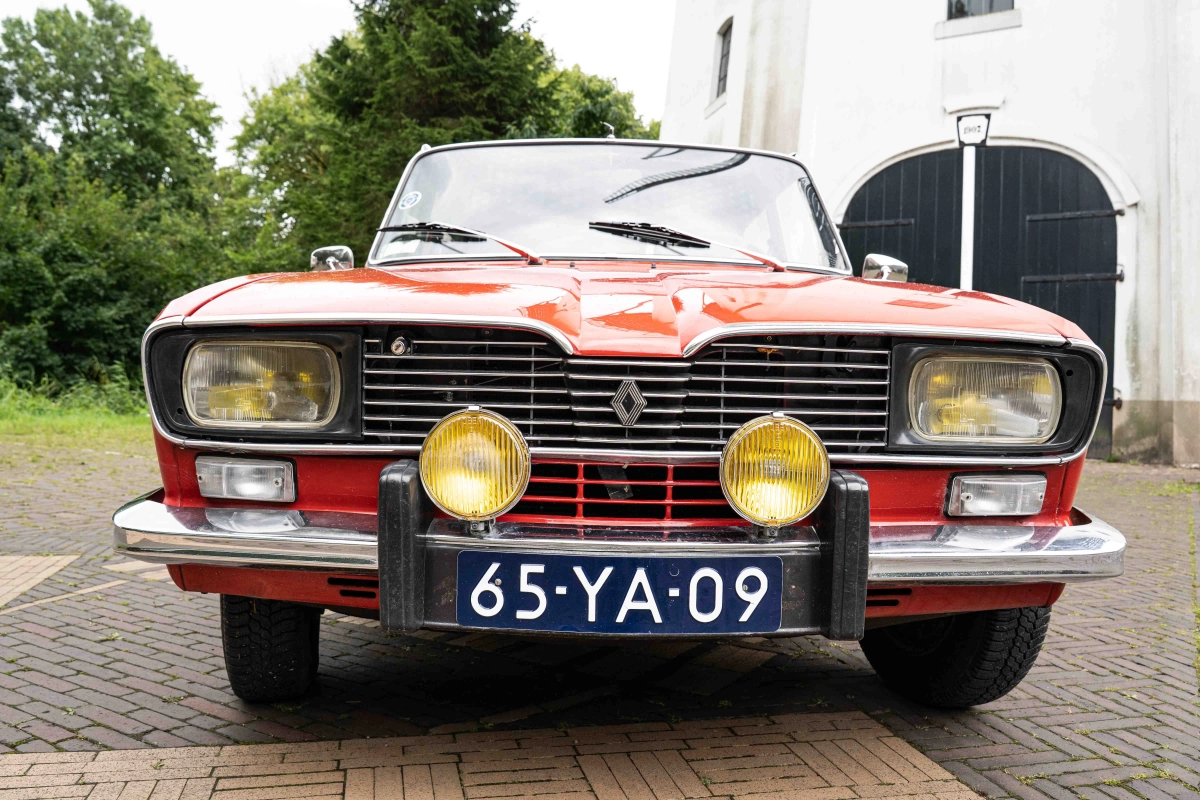
Rent a 1976 Renault 16 TS in Groningen – comfortable classic car with grey velour and Jaeger gauges
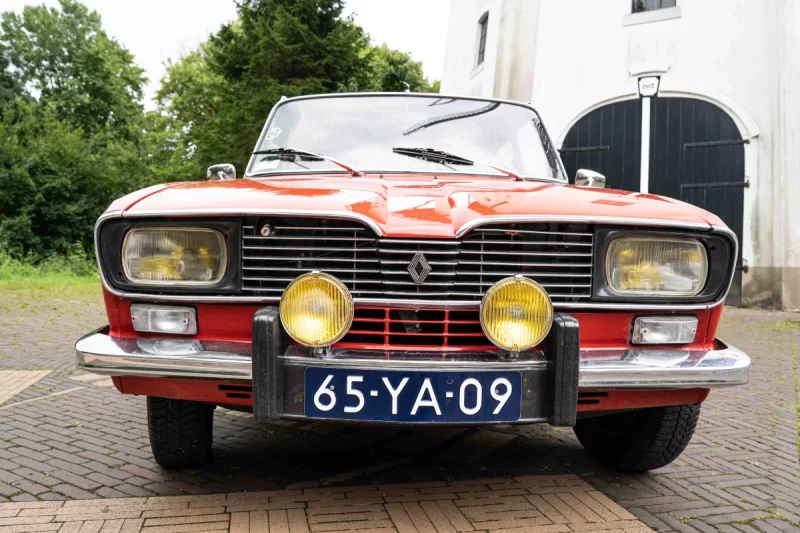
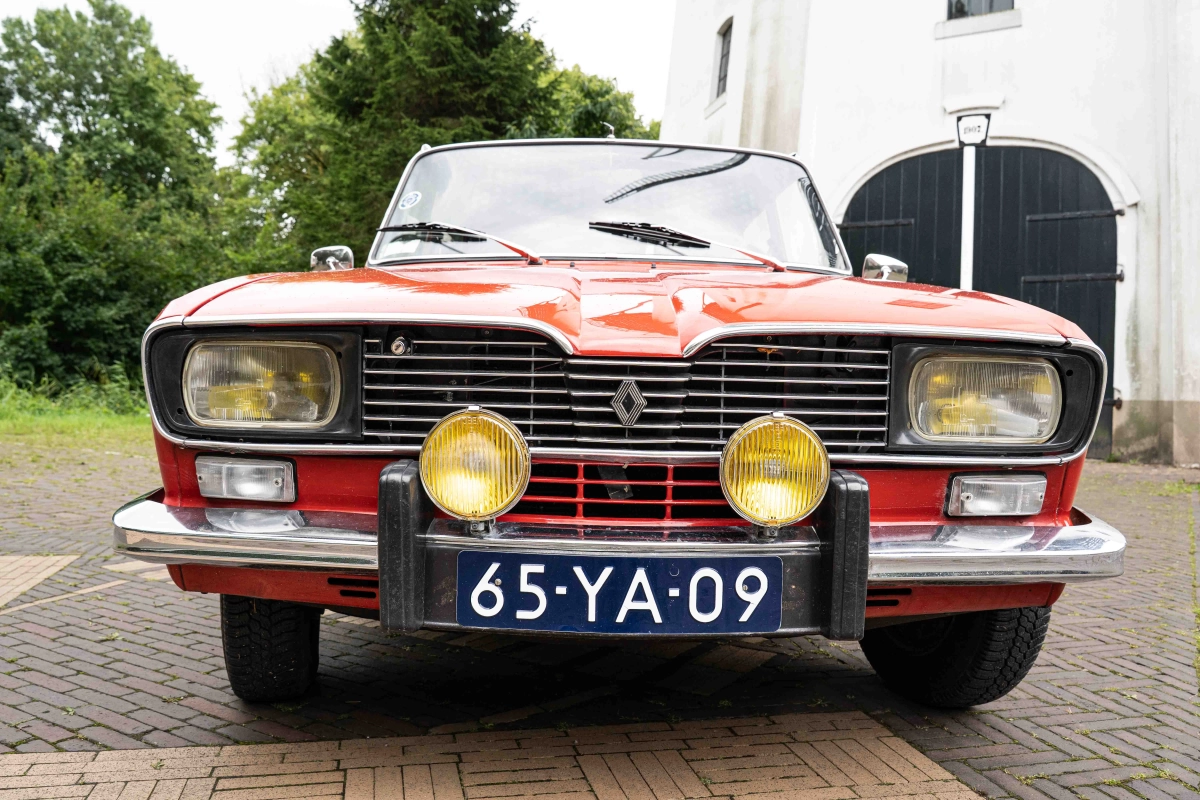
Experience the iconic Renault 16 TS during a relaxed tour or weekend trip through the province of Groningen at Tonny's Classic Drive in Groningen. Driving it yourself is no problem!
Rent the Renault 16 in Groningen: enjoy a comfortable road trip with the pioneer of the modern mid-class hatchback
In the history of the automobile industry, thousands of models have been produced, but only a handful have fundamentally changed its course. The Renault 16—simply called R16—undeniably belongs to this select group. For Tonny’s Classic Drive in Groningen, this was one of the main reasons to add this comfortable touring car to the rental fleet.
The Renault 16 at the Geneva Motor Show — and now available in the city of Groningen
When the curtain was lifted from the car at the Geneva Motor Show in March 1965, confusion spread through the halls. The public and the press did not quite understand what they were looking at. Was it a sedan? An oversized station wagon? A coupé with a high roofline? Renault’s answer was simpler and far more radical: it was the invention of the modern mid-class hatchback.
The Renault 16, the first hatchback. We travel in time—from 1967 to 2025—now for rent in Groningen at Tonny’s Classic Drive.
The R16 introduced a body shape and a multifunctional concept that are standard today, yet in the conservative landscape of the 1960s it hit like a bomb. This is the story of the car that made the bourgeois sedan obsolete. And when you have the Renault 16 at your disposal for a day or more, you realise that travelling back in time doesn’t mean sacrificing comfort. Instead, you gain an authentic touring experience through the province of Groningen in this beautiful iconic car.
Renault 16 as the modern successor to the Renault 4 (also for rent in Groningen)
At the start of the 1960s, Renault—then still a state-owned company (Régie Nationale des Usines Renault)—was at a strategic crossroads. At the lower end of the market they had a hit with the Renault 4, launched in 1961.
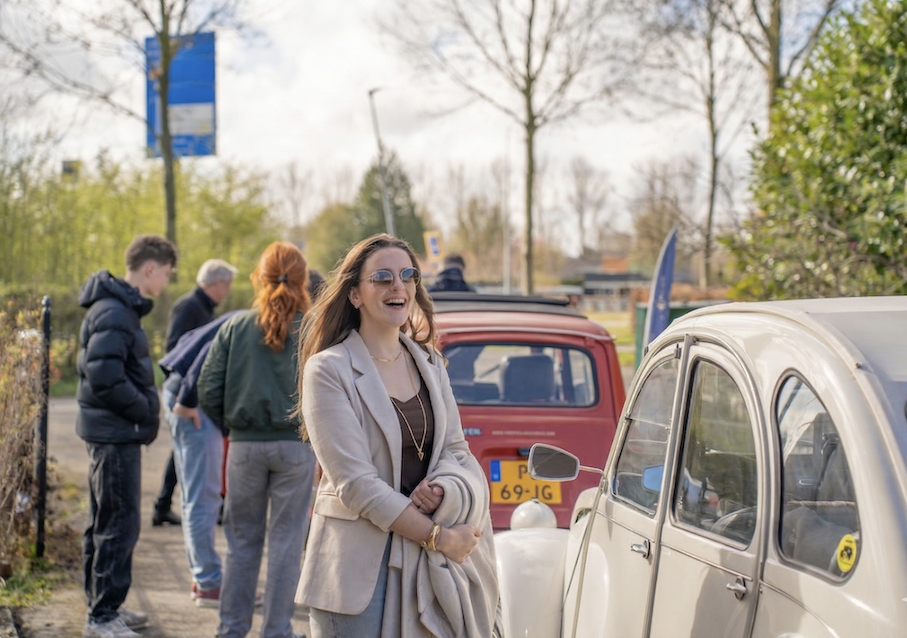
If you're interested in renting a Renault 4, we have three available— a red Renault 4, a green Renault 4 and a white Renault 4, each with an opening roof for panoramic views across the Groninger Hogeland.
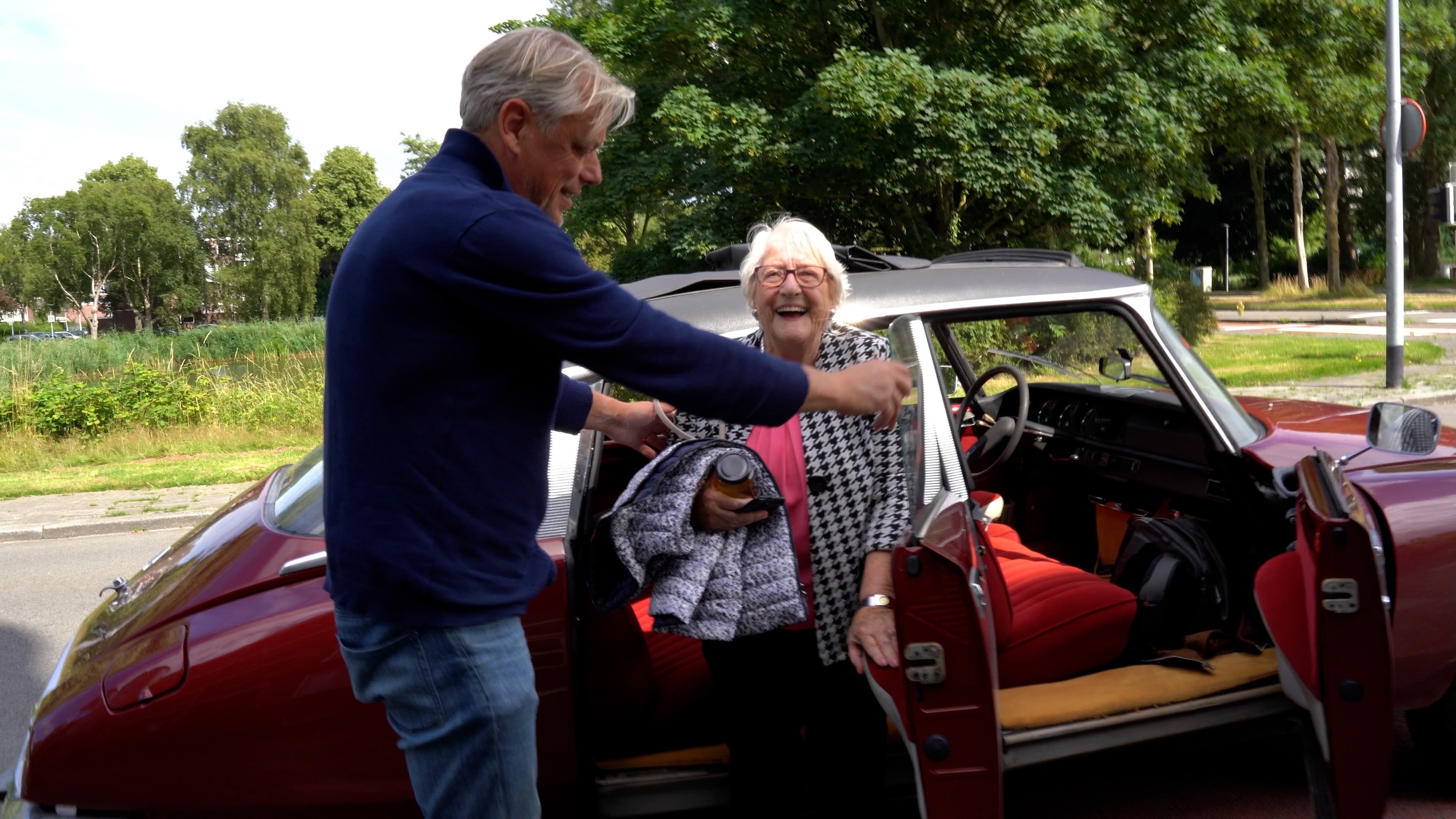
This practical and affordable car had already mobilised both the French countryside and its cities. But above this popular utilitarian class lay a huge gap. Production of the large, stately Renault Frégate had ended in 1960. The Frégate was a conventional sedan with a front engine and rear-wheel drive, and it had never achieved the success Renault had hoped for. There simply was no modern successor for customers who had outgrown the R4 or the Dauphine. Who could have imagined that the Renault 16 would fill that gap—and that you can now take one for a day of touring in Groningen? Perfect for a romantic getaway or a trip with the whole family. You can bring plenty of luggage!
Memories of a road trip with the Renault 16
Maybe you even have memories of a family holiday in this more luxurious touring car of its era—the Renault 16. How did it come to be? Pierre Dreyfus, the visionary CEO of Renault, understood that there was no proper successor after the Renault 4. He approached this problem not from a purely technical standpoint but from a sociological one. France and Europe were in the golden age of post-war prosperity (Les Trente Glorieuses).
Wealth was rising rapidly, the baby boom generation was growing up, and families had free time for the first time. The phenomenon of the résidence secondaire (holiday home) emerged, along with car holidays. People needed a vehicle that was business-appropriate during the week but could serve as a removal van, camping vehicle, or pack mule on weekends. The traditional “three-box” sedan (engine bay, passenger compartment, trunk) no longer fit this dynamic lifestyle. Dreyfus gave his engineers an assignment that was as poetic as it was demanding: “We must build cars that are no longer just four seats and a boot. It must be a volume in which one can live.”
How Project 115 created the first true touring car: the Renault 16
Under the codename Project 115, the team began its work. Chief designer Gaston Juchet—who would later be responsible for icons such as the Renault 5 and the Alpine A310—received a list of requirements that seemed contradictory at the time:
– Compact exterior dimensions: no longer than 4.25 metres, so it could be parked in Paris.
– Maximum interior space: comparable to that of a much larger American car.
– Modularity: the practicality of a station wagon without looking like a delivery van.
– Superior comfort: suspension that smoothed out poor roads.
– Front-wheel drive: continuing the path set by the R4.
Renault 16: the first luxury five-door mid-class hatchback
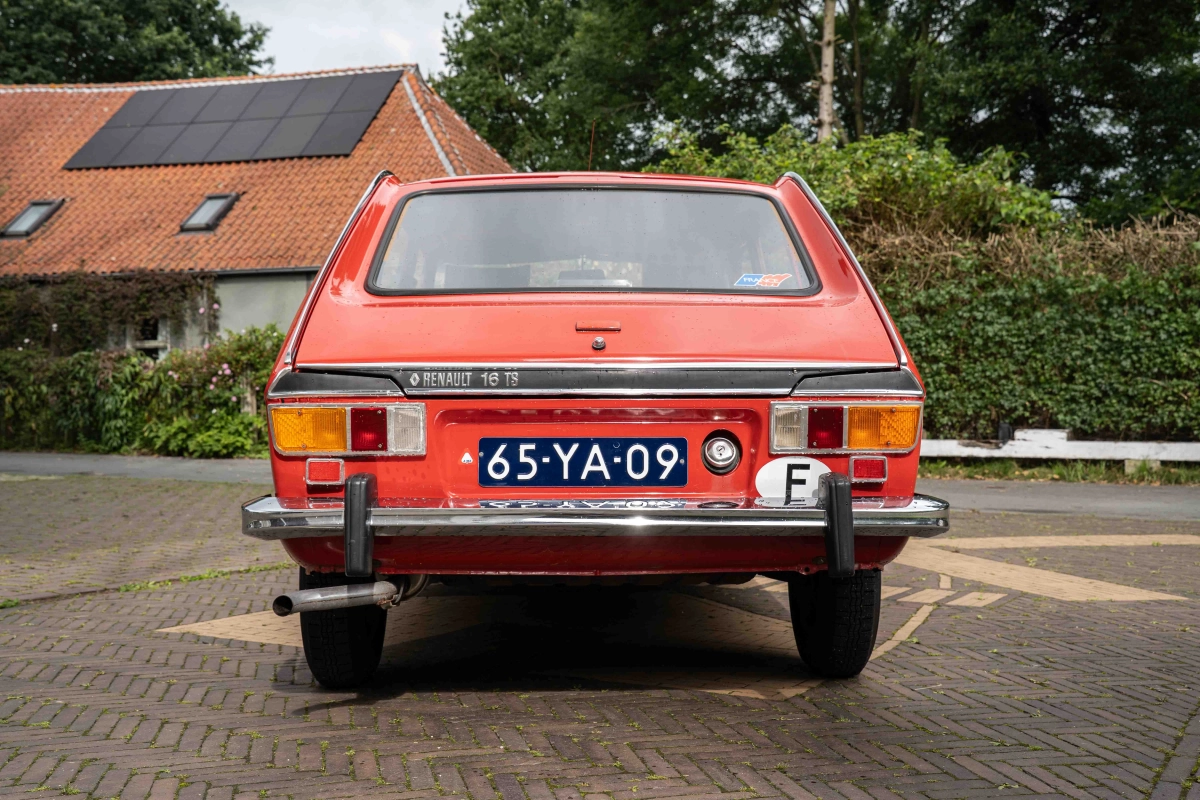
The design presented by Gaston Juchet broke radically with tradition. Instead of the typical sedan layout, he chose a “two-box” design: a front section for the engine and one large volume behind it for passengers and luggage. The most striking feature was the fifth door (le hayon). This large tailgate hinged at the roof and lifted the entire rear window with it. While the R16 did not invent the hatchback outright—the Austin A40 Farina (1959), Autobianchi Primula (1964), and Renault’s own R4 had similar features—it was the first to introduce this practical concept in the luxury family car segment. It made the hatchback respectable. Critics feared that customers would dislike the open connection to the luggage area because of smells or theft concerns, but the parcel shelf (a novelty) solved this elegantly.
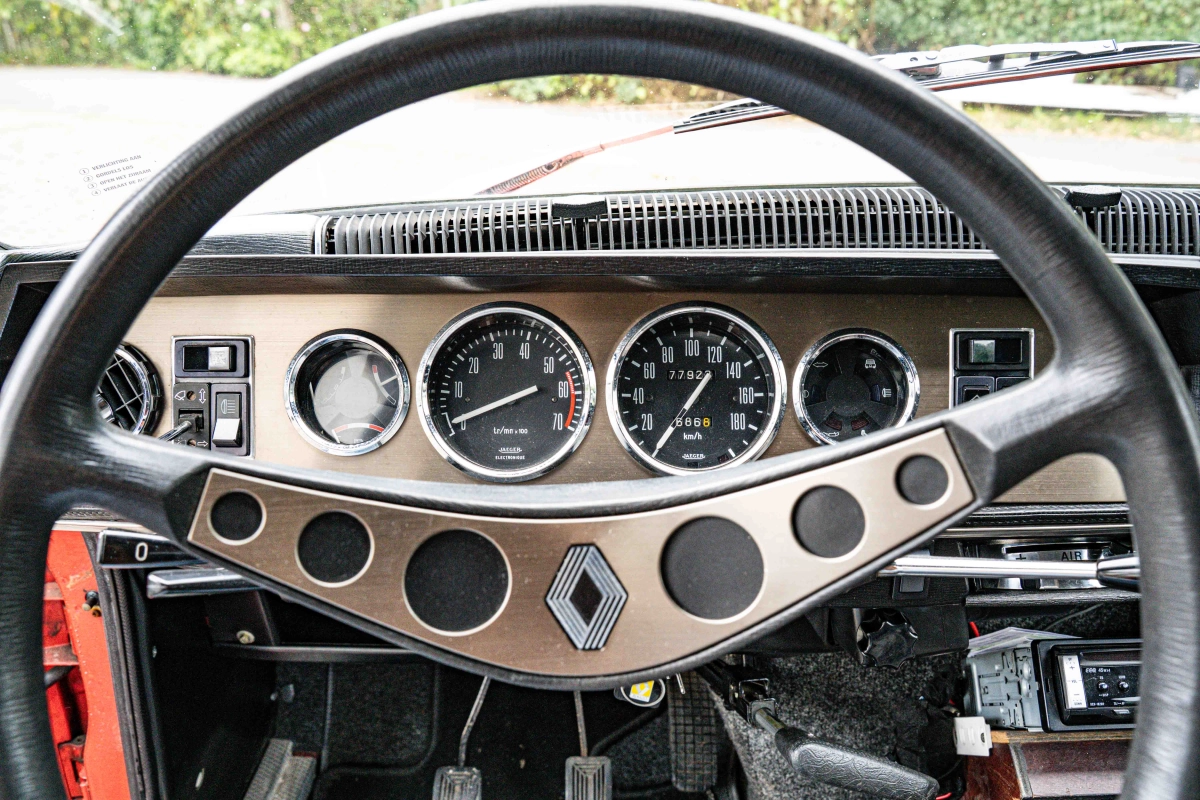
The luxury of our Renault 16 TS in Groningen is also reflected in its iconic Jaeger gauges, now famous through the exclusive watch brand Jaeger-LeCoultre.
The Renault 16 and its “Pagoda roof”
A distinctive design element of the R16 is the roof. If you look closely, the sides of the roof sit slightly higher than the middle, creating a subtle V-shape. This was jokingly called the “pagoda roof.” It was not a stylistic gimmick but an ingenious structural solution. The folds in the metal made the roof stiff enough without heavy crossbeams. This saved weight and kept the centre of gravity low. On early models, the rain gutters were hidden inside the roof edge, adding to its clean, modern lines.
The Renault 16 and its “Voiture à Vivre” interior — our Groningen example with grey velour
The marketing department launched the R16 with the slogan “Voiture à Vivre” — a car to live in. And this was no empty phrase. The interior offered a flexibility we now only see in the best MPVs (a segment Renault later invented with the Espace and Scénic). The possibilities were endless:
- The loading position: the rear bench could be folded in two parts (1/3–2/3).
- The moving-house position: the entire rear bench could be removed in under a minute.
- The sleeping position: the front seats folded completely flat to create a bed nearly 1.90 m long.
- The “Maman” position: the rear bench could be moved fully forward. To maintain a flat floor and easy walk-through, the gear lever was mounted on the steering column.
Technical features of the Renault 16 in Groningen: the Cléon-Alu and the asymmetry
Underneath, the Renault 16 was as forward-thinking as it appeared from the outside. Renault developed a new engine: the Type 807. This 1,470 cc four-cylinder aluminium block was mounted longitudinally at the front, driving the front wheels.
The mystery of the uneven wheelbase on our Renault 16 in Groningen
One of the most famous technical details of the R16 is its asymmetry. The wheelbase on the left side is 2,720 mm, while on the right it is 2,650 mm. The car is therefore exactly 70 mm longer on the left. The reason lies in the torsion bars of the rear suspension, which could not be placed next to each other and were therefore mounted in series. This had no negative effect on handling.
How the Renault 16 was received: launch, reactions and evolution
The 1965 introduction led to mixed reactions. Critics found the car too tall and the rear too abrupt. But once journalists drove it, opinions changed rapidly: the comfort, quietness and versatility were unmatched. In 1966, the Renault 16 was awarded Car of the Year.
1968 – The R16 TS (Tourisme Sportif)
The TS received a larger 1,565 cc engine with dual carburettors (83 hp), four auxiliary headlights, larger brakes, and a new dashboard with round Jaeger gauges and a tachometer.
1969 – The R16 TA (Transmissie Automatique)
The R16 TA was the first Renault with an in-house automatic gearbox, though the system became known for being complex and somewhat fragile.
1973 – The R16 TX: the grand finale
The TX received a 1,647 cc engine (93 hp), square headlights, Gordini-style wheels, a chromed roof spoiler and luxury features such as central locking and electric windows. With a five-speed gearbox, it became a full-fledged executive car.
The Renault 16 at the top of its market segment
The R16 operated for years in a virtually competition-free segment. It was more spacious than the Peugeot 404 and 504, cheaper and less complex than the Citroën DS (also available for rent at Tonny’s Classic Drive), and more versatile than the Simca 1301/1501. Real competition only arrived with the Austin Maxi (1969), Volkswagen Passat (1973), and Simca 1307/1308.
Why the Renault 16 is perfect for renting in Groningen for a classic tour or rally
Although the R16 looked like a comfortable lounge on wheels, it was surprisingly capable in tough conditions. The long suspension travel, front-wheel drive and robust build made it suitable for rallies on rough terrain. Brothers Claude and Bernard Marreau even entered the Rallye du Maroc with an R16. Would you like to participate in a classic car tour or rally in Groningen but don’t have your own classic car? Contact us to explore the possibilities.
Popular classic car tours with the Renault 16 from Groningen
Discover our most beautiful routes and plan your trip with the Renault 16 TS. View all classic tours in Groningen on this page. You can contact us by email if you visit the link.
- Borgenroute
- Industrial Heritage Route
- The Hogeland Route
- Groninger Grain Republic Route
The end of Renault 16 production and its legacy
On 25 January 1980, production came to an end: the last Renault 16, a grey TX, rolled off the line in Sandouville. A total of 1,851,502 units were built. The Renault 20 and 30 continued the hatchback concept. Today, the R16 is a cherished classic, although good examples are scarce due to rust issues around the sills and rear suspension. Top examples now fetch prices above €20,000. The true legacy of the Renault 16 lives on in modern hatchbacks, crossovers and MPVs. Every time you fold down a rear seat or enjoy a flat loading floor, you are unknowingly paying tribute to the vision of Pierre Dreyfus.
View our Renault 16 TS in detail
Want to see photos, availability and rates? Visit the car page on our website:
Rent the Renault 16 TS at Tonny’s Classic Drive
Experience the Renault 16 TS yourself — rent it for a day in Groningen
Our grey-velour 1976 Renault 16 TS is ready for you in Groningen for day rentals, weekend trips and scenic classic tours. Step into this comfortable, forward-thinking hatchback and experience the province as it felt in the 1970s—only now with all the charm preserved.